
Northern Michigan is famous for towering forests, sparkling lakes, and wide-open skies—but if you’re looking for a true “wow” moment, nothing compares to seeing an elk up close. Elk aren’t just another animal in Otsego County—they’re the official Wildlife Mascot and a beloved part of Gaylord’s identity. Whether you’re exploring the quiet backroads of the Pigeon River Country State Forest or stopping by the easy-to-access Gaylord City Elk Park, there are countless ways to encounter these incredible animals in the wild.
If you’re ready for a real northern adventure, here’s everything you need to know about Michigan’s elk, where to find them, and how to make the most of your elk-spotting journey.
A Brief Look Back: How Elk Returned to Northern Michigan
Elk haven’t always been here. In fact, they disappeared from Michigan in the late 1800s due to over-hunting and habitat loss. But in 1918, seven elk were reintroduced near Wolverine—and they thrived. Thanks to careful habitat management, logging practices that support young forests, and regulated hunting, the herd grew into one of the largest free-roaming elk populations east of the Mississippi.
Today, roughly 900–1,000 elk roam parts of Otsego, Cheboygan, and Montmorency counties. Each sighting is a living reminder of one of the most successful wildlife restoration stories in the state.
The Heart of Elk Country: Pigeon River Country State Forest
Known as “The Big Wild,” the Pigeon River Country State Forest is a massive 114,000-acre wilderness—quiet, remote, and one of the best places anywhere to spot elk in their natural habitat. Download Pigeon River Country State Forest Map
Why Pigeon River is Perfect for Elk
Elk love open, young habitat. The Department of Natural Resources manages the forest with selective logging, controlled burns, and food plots of rye, clover, alfalfa, and buckwheat. These areas create ideal grazing conditions and natural meadows where elk gather, feed, and sometimes put on a dramatic show.
The herd wanders freely year-round, but visibility varies with season and time of day. If you hit the right moment, you may be rewarded with a magical scene—a bull bugling in the foggy morning light, cows grazing with their calves, or a full harem clustered in a meadow.
The Best Time to See Elk
Elk viewing can be a year-round adventure, but some seasons stand out:
🌟 September–October: The Elk Rut (The #1 Viewing Season)
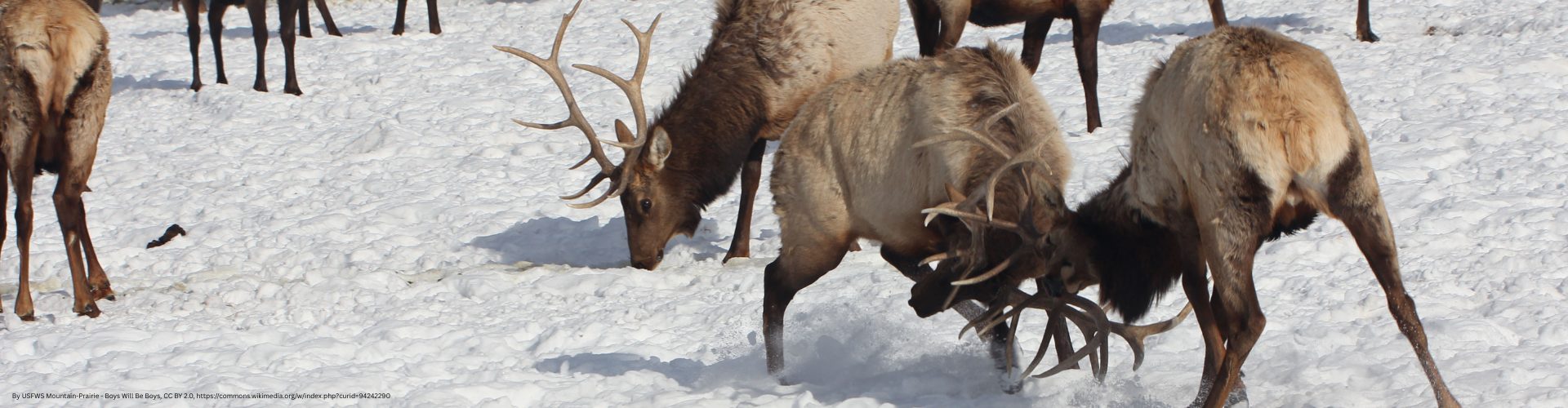
The fall mating season is hands-down the most exciting—and noisy—time to visit. Bulls bugle to challenge rivals and impress cows, and the sound echoes through the forest like something out of the Rocky Mountains. Bulls often scrape trees, pace meadows, and sometimes spar with their antlers. It’s not uncommon to see gatherings of 10–20 elk in one area.
Tip: This is the MOST popular viewing time. Visit midweek to avoid crowds.
🌱 Late April–Mid May: Spring Feeding Season
This is an underrated time to visit. Elk are active throughout the day, feeding on tender new growth. There are fewer people in the viewing areas—and warmer, more comfortable temperatures for watchers.
🌞 June–August: Summer Quiet Season
Elk are harder to spot in the heat of summer, but dawn and dusk still provide good opportunities. If you’re staying in the area for several days, a few early-morning drives greatly increase your chances.
❄ Winter Viewing
Elk spend more time near logging areas where young shoots provide food. You may spot them along backroads, but keep your distance—winter is a tough season for wildlife.
Top Elk Viewing Locations in Pigeon River Country
Several spots are known for consistent elk activity, but remember: elk roam freely and can appear almost anywhere in the elk range.
Here are some of the most reliable DNR-recommended locations:
- 3.5 miles east of Vanderbilt on Sturgeon Valley Road, then 3 miles north on Fontinalis Road
- 8 miles east of Vanderbilt on Sturgeon Valley Road at the pipeline corridor
- 4 miles north of the Pigeon River Country Headquarters on Osmun Road
- 18 miles east of Gaylord on County Road 622
Most viewing areas have parking and wide-open sight lines. Bring binoculars or a spotting scope for the best experience—these animals are huge, but they blend surprisingly well into the landscape. Download the DNR Elk Brochure with Elk View Map.
Elk Etiquette: How to Watch Responsibly
Elk may be majestic, but they’re also wild and easily disturbed. To keep both animals and visitors safe:
- Watch from your vehicle whenever possible
- Sit quietly—loud voices can clear a meadow in seconds
- Never approach elk (bulls can weigh 800 pounds and move faster than they look)
- Use binoculars instead of walking closer
- Don’t enter the fields at viewing locations
- Avoid shining lights between 11 p.m. and 6 a.m. (it’s illegal, just like spotlighting deer)
Small acts of courtesy help ensure elk remain comfortable in these viewing areas for generations to come.
The Gaylord City Elk Park: A Guaranteed View
If you’re traveling with kids, have limited time, or simply want a no-stress elk viewing option, the Gaylord City Elk Park is perfect.
Located at Elk View Park on the northeast side of town, this fenced-in, 108-acre preserve is home to around 60 elk, plus fallow and sika deer. The herd began in the late 1980s when three elk were brought in from a closing nature center—and it’s grown ever since.
City staff feed the animals hay, corn, sugar beets, and vitamins, so viewing is virtually guaranteed. You may see:
- Massive bulls weighing 800+ pounds
- Velvet-covered antlers in summer
- Full antler racks in fall
- Shed antler stubs in spring
- Cows and calves browsing near the fence
It’s a fantastic spot for photography, and you don’t have to hike or wander deep into the forest to enjoy it.
More Adventures Around Elk Country
Seeing elk is just the start. The areas around Gaylord and Pigeon River Country offer plenty of adventures to round out your trip.
🎣 Blue-Ribbon Trout Streams
The Pigeon River and nearby waters are renowned for fly fishing. Even if you’re not casting a line, the scenic riverbanks are worth exploring.
🥾 Miles of Trails
Hike through pine forests, old logging roads, and peaceful riverside paths. Popular trails include the Shingle Mill Pathway and the High Country Pathway for longer treks.
🚴 Cycling & Gravel Riding
The forest roads offer some of the best remote riding in northern Michigan.
📸 Wildlife Viewing Beyond Elk
You may also spot black bears, otters, bald eagles, foxes, or white-tailed deer.
🌄 Scenic Drives
The backroads east of Vanderbilt are especially beautiful in fall. Watching the sunrise over a misty meadow is worth setting the alarm.
Elk Hunting: A Key Part of Management
While not part of every traveler’s itinerary, elk hunting is a major management tool in Michigan. Each year roughly 30,000–40,000 people apply for a small number of licenses, usually 100–400 total, ensuring the herd stays healthy and habitat remains balanced.
This careful approach keeps the population steady and protects the forest ecosystem.
Planning Your Elk-Viewing Adventure
Here’s a quick checklist before you go:
- Binoculars or scope
- Camera with zoom lens
- Warm clothing (morning and evenings get chilly even in summer)
- Snacks & water—many viewing areas are remote
- A map or downloaded GPS (cell service is limited in the forest)Patience—wildlife moves on its own schedule!
And remember: sometimes you won’t see elk on your first try. Many visitors make a second or third trip and end up with an unforgettable encounter.
Whether you’re exploring vast meadows deep in the Pigeon River Country State Forest or enjoying a quiet moment at Gaylord’s City Elk Park, seeing elk is one of northern Michigan’s most magical outdoor experiences. These animals are not only massive and majestic—they’re something rare, wild, and uniquely “Up North.”
So pack your binoculars, take the scenic route, and keep your camera ready. Adventure awaits in the heart of Michigan elk country.
