
In this article
Why Dark Skies Matter
How Dark Sky Designations Work
Beaver Island’s Journey
Community Support
Experiencing the Night Sky
Stargazing Tips
Michigan Dark Sky Locations
Frequently Asked Questions
Protecting One of Michigan’s Darkest Skies
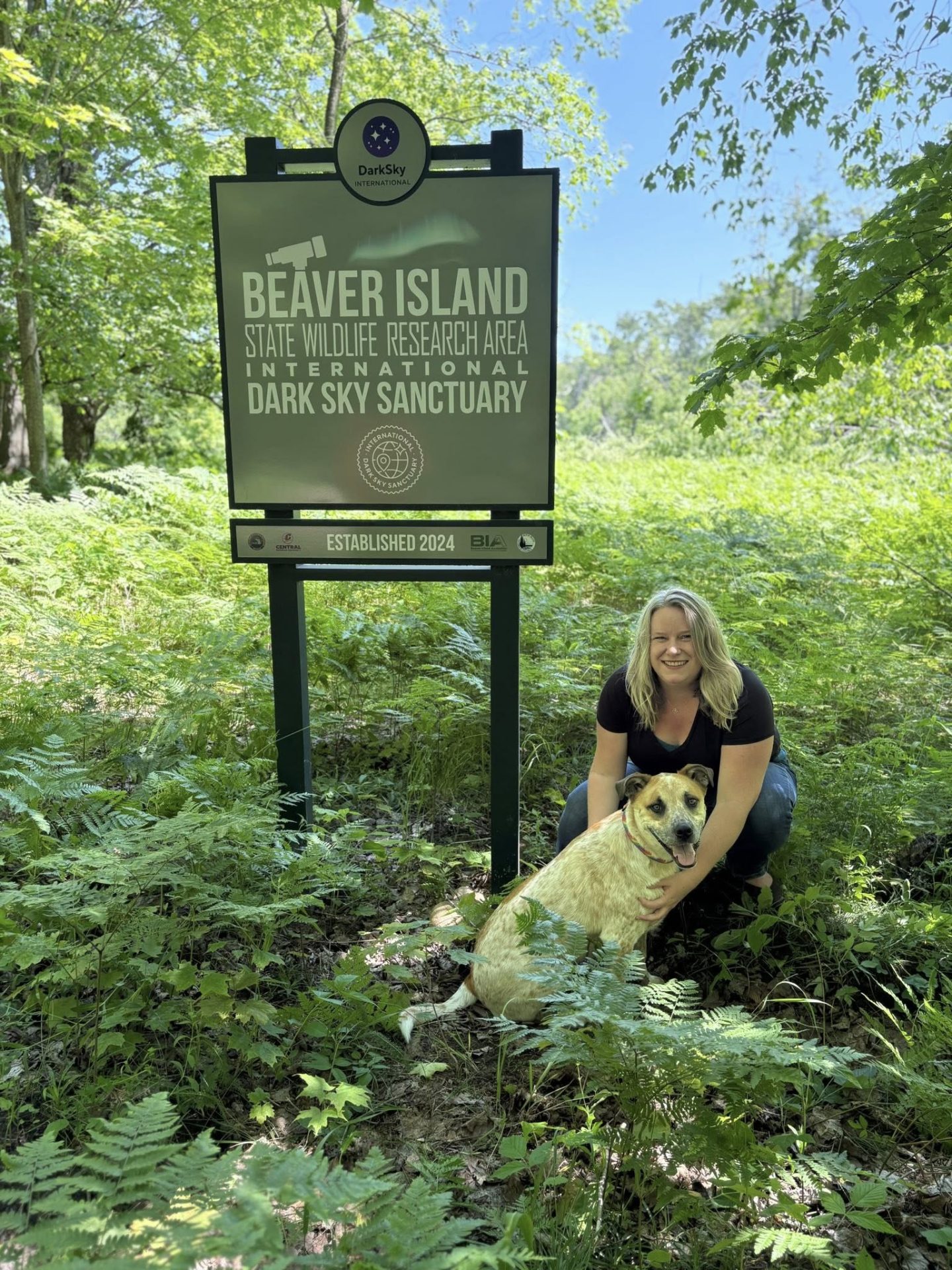
Melissa F. Kaeling, Michigan Aurora Chasers Founder at the Sanctuary with Elio, the Aurora Dog. Photo Courtesy of Cynthia Hector Johnson
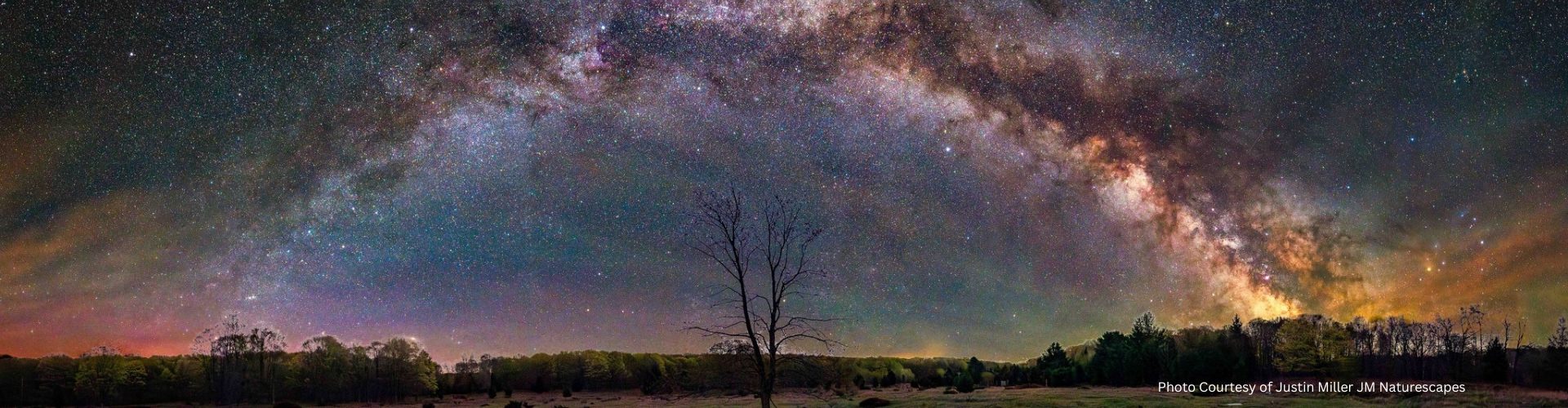
Two years ago, a quiet stretch of shoreline on Beaver Island earned global recognition when it became an International Dark Sky Sanctuary. The designation celebrates one of the island’s most remarkable natural resources, a night sky so dark that the Milky Way often appears bright and detailed to the naked eye.
While there may not be a formal anniversary celebration planned, the milestone offers a meaningful opportunity to reflect on what it takes for a place to earn such rare recognition. It is also a chance to acknowledge the dedication of the individuals and organizations who worked tirelessly to make the designation possible.
Why Dark Skies Matter
For most of human history, the night sky was something people experienced every evening. Thousands of stars filled the darkness, and the Milky Way stretched overhead like a glowing river of light. Today, that view has quietly disappeared for many people due to increasing light pollution.
Protecting dark skies preserves one of nature’s most remarkable sights. It also supports healthy ecosystems, as many birds, insects, and other wildlife depend on natural darkness for navigation and survival.
Places like Beaver Island offer something that is becoming increasingly rare, the chance to step outside on a clear night and see the sky as it was meant to be seen. Protecting that experience requires commitment, planning, and community support, which is exactly what the International Dark Sky Places program recognizes.
How a Place Becomes an International Dark Sky Sanctuary
Protecting a truly dark night sky involves far more than simply turning off a few lights. Becoming an official International Dark Sky Place is a detailed process that often takes years of research, planning, and collaboration.
Communities and protected lands around the world can apply for recognition through DarkSky International. These designations highlight places that demonstrate a strong commitment to preserving natural darkness while providing opportunities for public education and access.
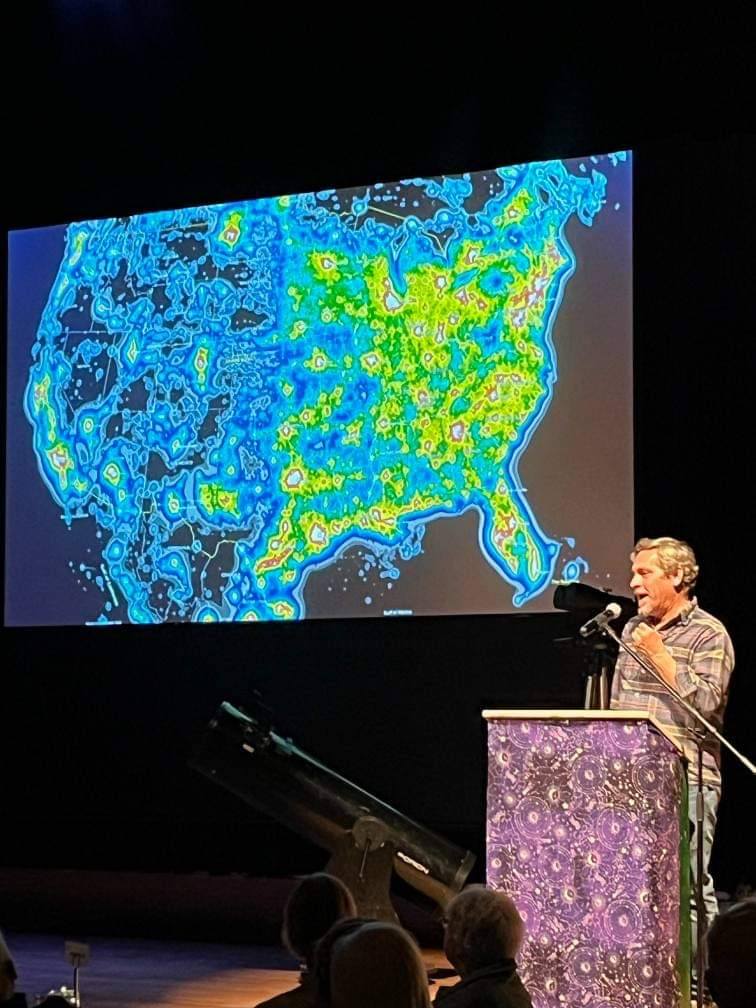
Ken Walczak, Adler Planetarium and Dark Sky Interntional Board Member, illustrates the extent of light pollution in the United States. Photo Courtesy of Cynthia Hector Johnson
There are several types of certifications. Some focus on remote natural areas with exceptionally dark skies, while others recognize communities that are working to reduce light pollution through responsible lighting practices.
Natural area designations include:
- International Dark Sky Sanctuaries
- International Dark Sky Parks
- International Dark Sky Reserves
These locations typically offer some of the darkest skies on Earth. Visitors can often see the Milky Way stretching clearly across the sky, with minimal artificial light interfering with the view.
Other designations recognize built environments that have adopted thoughtful lighting policies designed to reduce sky glow and improve nighttime visibility.
These include:
- International Dark Sky Communities
- Urban Night Sky Places
Even in developed areas, responsible lighting can create safe and welcoming nighttime environments while protecting nearby natural darkness.
The Work Behind the Designation
Most Dark Sky efforts begin with a small group of passionate individuals who believe their community’s night sky is worth protecting. Over time, these initiatives grow into broader collaborations involving local organizations, government agencies, and residents.
The application process can take several years. During that time, applicants must document night sky quality, develop lighting guidelines, and demonstrate strong community support.
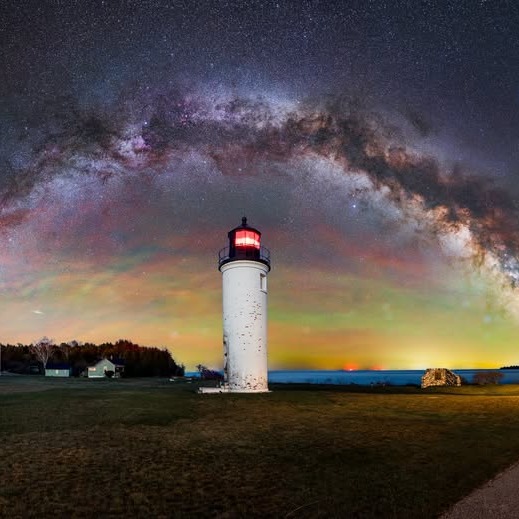
Milky Way Over Whiskey Point. Photo Courtesy of Justin Miller JM Naturescapes
To qualify, a site must show exceptionally dark skies with minimal light pollution. In many cases, the Milky Way should be visible to the unaided eye. Outdoor lighting must follow strict guidelines, including shielding and direction to reduce glare and sky glow.
Equally important is a long term commitment. Certified locations must continue monitoring sky conditions, hosting educational programs, and ensuring that new development follows dark sky friendly practices.
In other words, earning a Dark Sky designation is not simply an award. It represents an ongoing promise to protect one of the most overlooked natural resources we share, the night sky.
Beaver Island’s Journey to Dark Sky Sanctuary
Understanding the effort behind a Dark Sky designation makes the achievement even more meaningful. The recognition represents years of dedication, careful planning, and strong community support.
That is exactly what unfolded on Beaver Island.
Located in northern Lake Michigan, the island already possessed one significant advantage. Its remote setting and small population helped preserve some of the darkest skies in the region. On clear nights, the Milky Way stretches across the horizon in remarkable detail, a sight that has become increasingly rare in many parts of the world.
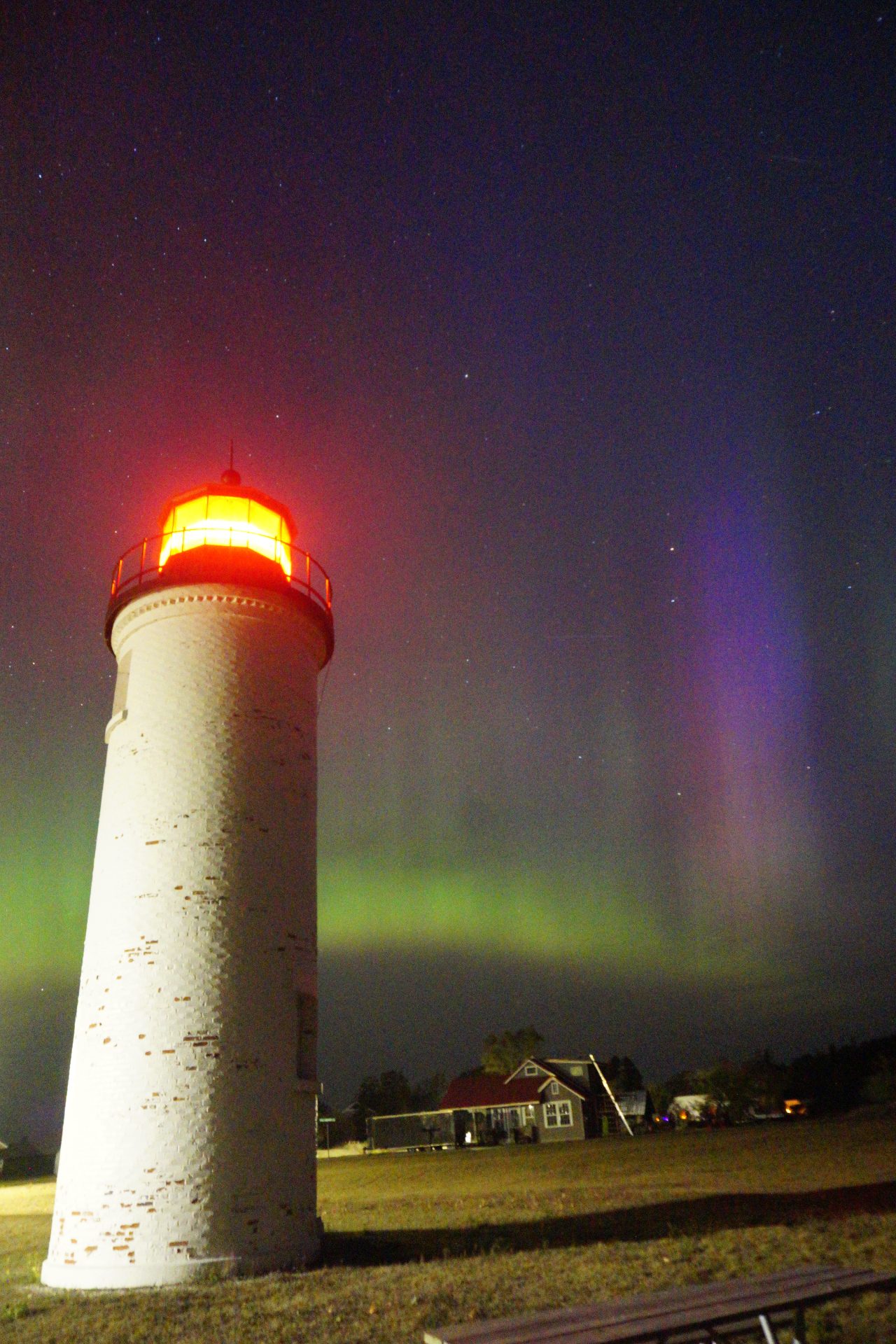
Whiskey Point Lighthouse is ideal for catching Aurora with a great due North scene behind, and with streetlights turned off after 11 pm at night. Photo Courtesy of Cynthia Hector Johnson
But natural darkness alone is not enough to earn a Dark Sky Sanctuary designation.
The achievement required years of work from residents, volunteers, and partner organizations who believed the island’s night sky was worth protecting. Together, they documented sky conditions, encouraged responsible lighting practices, built public awareness, and guided the island through a detailed and rigorous certification process.
Their collective efforts ultimately led to Beaver Island becoming an International Dark Sky Sanctuary, placing it among a select group of locations around the world recognized for their exceptional night skies.
The story behind the designation is also a story about people. It reflects what can happen when a community shares a vision and works patiently toward a common goal.
How Beaver Island Earned Dark Sky Sanctuary Status
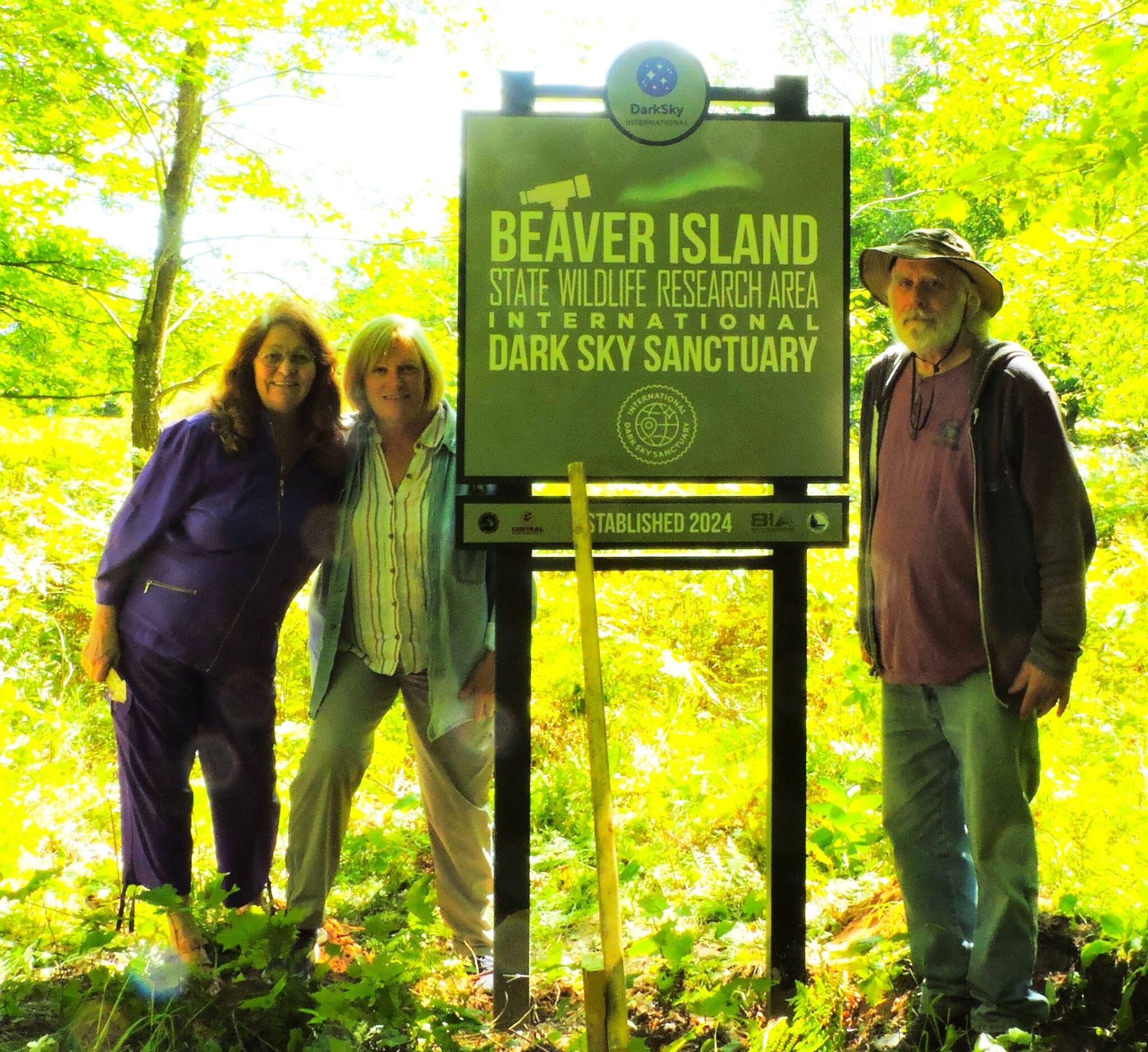
Left to Right: Cynthia Hector Johnson, Pam Grassmick, William Markey. Photo Courtesy of Cynthia Hector Johnson
The Beaver Island dark sky effort began in 2019 when Cynthia Hector Johnson and William Markey, along with a small group of supporters, began exploring how the island’s night skies might be formally protected. Their shared interest in astronomy, conservation, and the island’s natural character helped spark the project, which soon developed into a dedicated Dark Sky Project Committee.
William Markey played a key role in documenting sky quality readings across the island beginning in 2019, providing important data needed for certification. Cynthia Hector Johnson became one of the most visible and vocal advocates for the effort, helping build awareness and enthusiasm throughout the community. Early conversations with Frank Solle also contributed to the initial momentum that helped bring the project to life.
As the initiative expanded, additional community members became involved. Anita Mauro helped organize and prepare the extensive documentation required for the DarkSky International application process. Maria Dal Pra, Peaine Township Supervisor, provided leadership and support alongside other committee members including Pam Grassmick, Kevin Boyle, Dick Mulvihill, and Paul Cole, each of whom has played an important role in community leadership and conservation efforts on the island.
Public outreach became an essential part of the project as awareness grew.
In 2020, volunteer astronomer Tony Miller arrived on Beaver Island with several large telescopes and soon became involved in the initiative. Working alongside the committee, he helped lead nighttime observing programs and occasional daytime solar viewing events, giving residents and visitors opportunities to experience the island’s remarkable night skies firsthand.
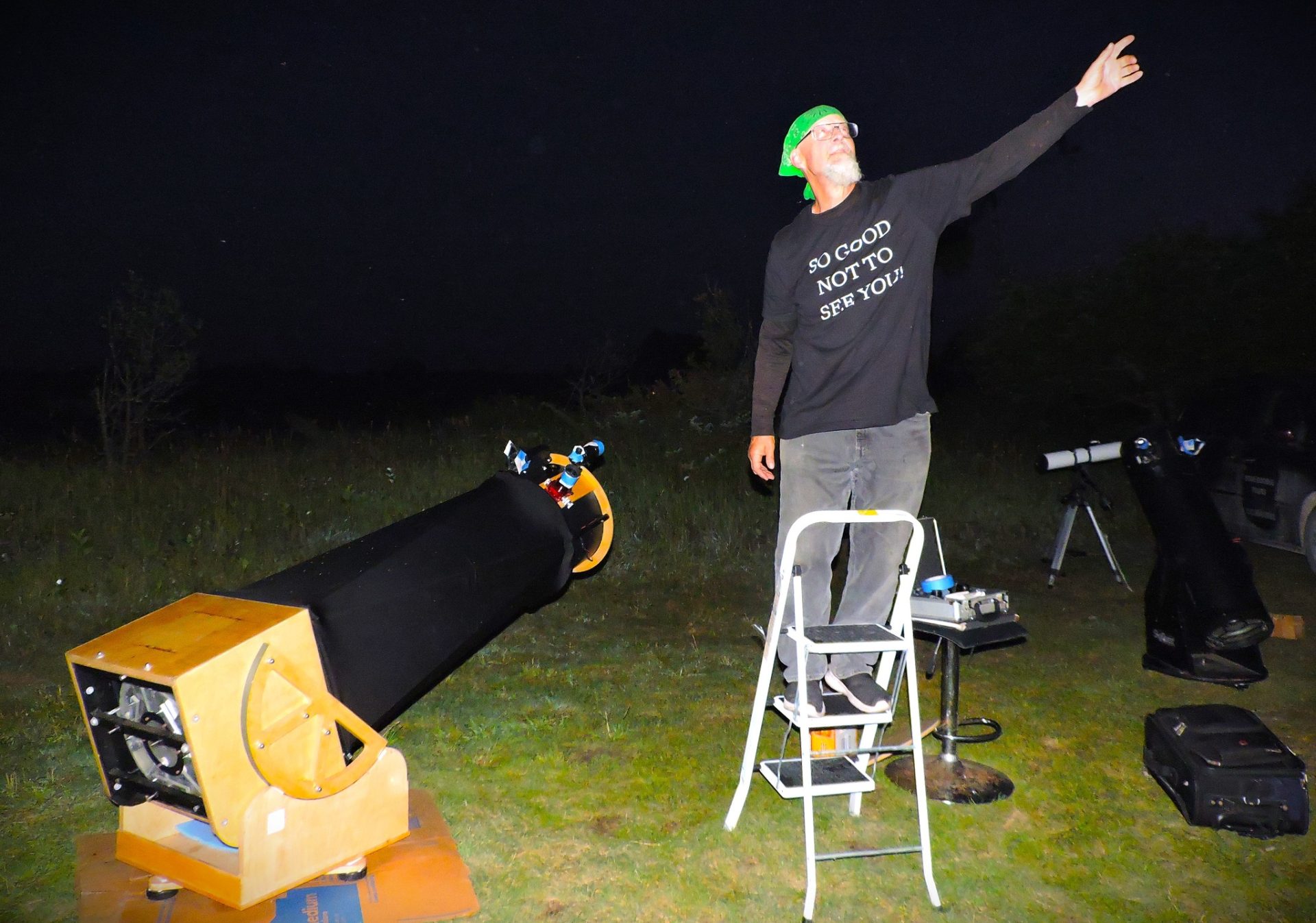
Tony Miller, Telescope Man Extraordinaire. Photo Courtesy of Cynthia Hector Johnson
The project moved forward over several years, with the official International Dark Sky Sanctuary designation announced on April 8, 2024. April 8, 2026 will mark the second anniversary of Beaver Island’s designation, offering an opportunity to reflect on the work that made it possible and the commitment that continues today. The anniversary also comes just days before International Dark Sky Week, observed April 13 through 20, 2026, a global initiative that highlights the importance of protecting natural nighttime environments. A recognition ceremony was later held on Beaver Island in September of that year.
In September 2026, Beaver Island Retreat is expected to host a multi-day dark sky retreat that will bring together astronomers, astrophotographers, and dark sky advocates for educational programs and nighttime sky exploration. The event is being organized by Beaver Island Retreat owners Maria Del Pra and Brian Vaeth, both active supporters of dark sky education and the use of dark sky friendly lighting practices that help visitors better understand the importance of protecting natural nighttime environments. Events like this reflect how the sanctuary designation continues to inspire new opportunities for learning, conservation, and meaningful visitor experiences.
Maintaining the designation remains an ongoing effort that includes monitoring sky quality, hosting educational programs, and continuing to build community support for protecting the island’s natural darkness.
Institutional Support and Partnerships
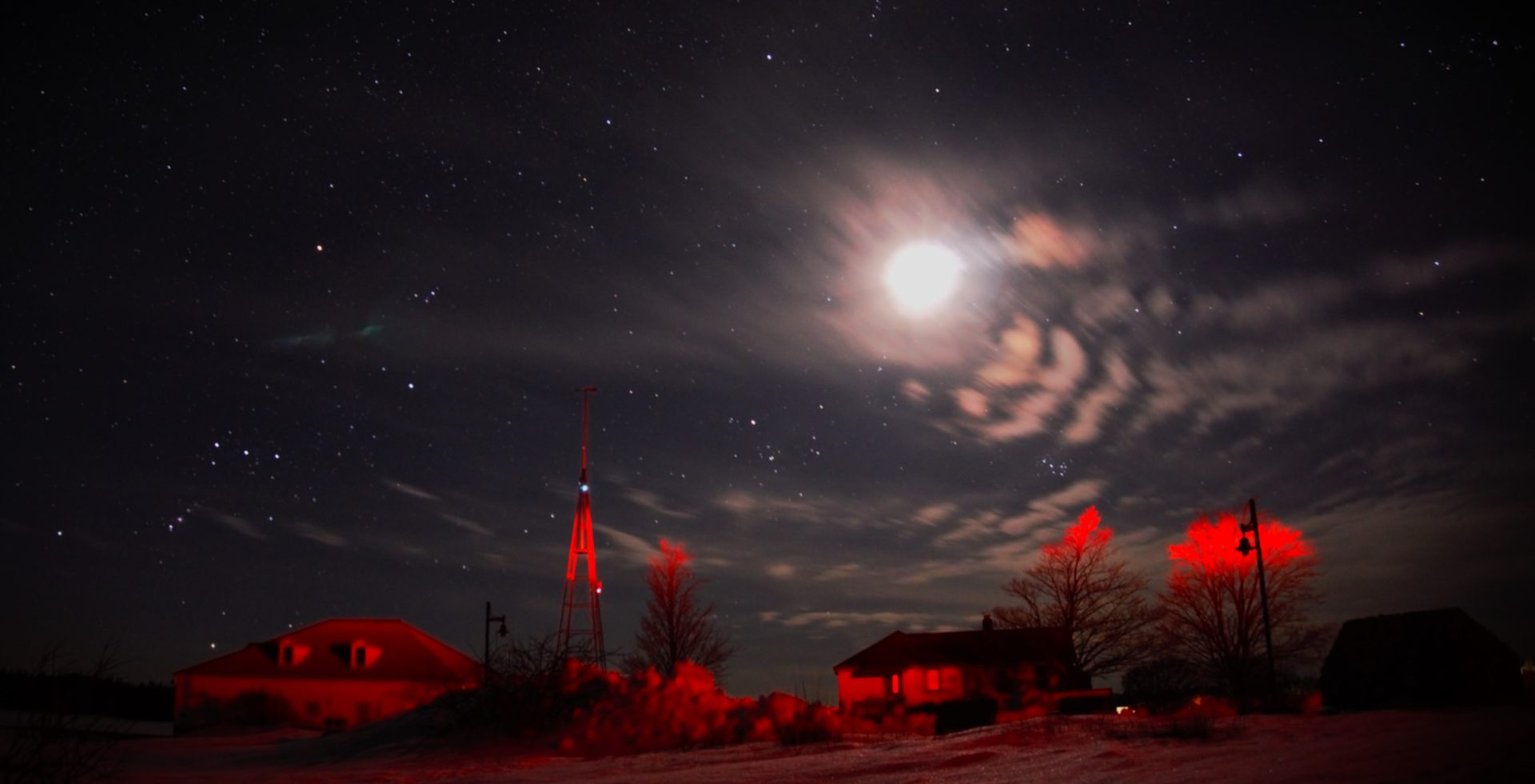
Orion, Hyades, Crescent Moon, Pleiades. Stars Over CMU Boathouse illustrate the celebrated darkness, even in the downtown harbor. Photo Courtesy of Cynthia Hector Johnson
In addition to the core committee members, several organizations and agencies played important roles in supporting the sanctuary effort. The Central Michigan University Biological Station, led by director Kevin Pangle, contributed valuable support, and university managed land forms a significant portion of the sanctuary area.
State level backing was also essential. The Michigan Department of Natural Resources and other state partners helped ensure that the designation aligned with long term conservation priorities for the island and the surrounding region.
Dr. Robert Parrish, who is involved with DarkSky International, nominated the Beaver Island area for sanctuary designation and offered guidance throughout the certification process. He also serves as director of Dr. T. K. Lawless International Dark Sky Park in southwest Michigan.
Community Support and Collaboration
From the beginning, the effort to protect Beaver Island’s night sky was supported by a wide range of local organizations and residents. Community groups such as the Chamber of Commerce, the local radio station, the community center, and the Beaver Island Association contributed time, leadership, and resources as the project developed.
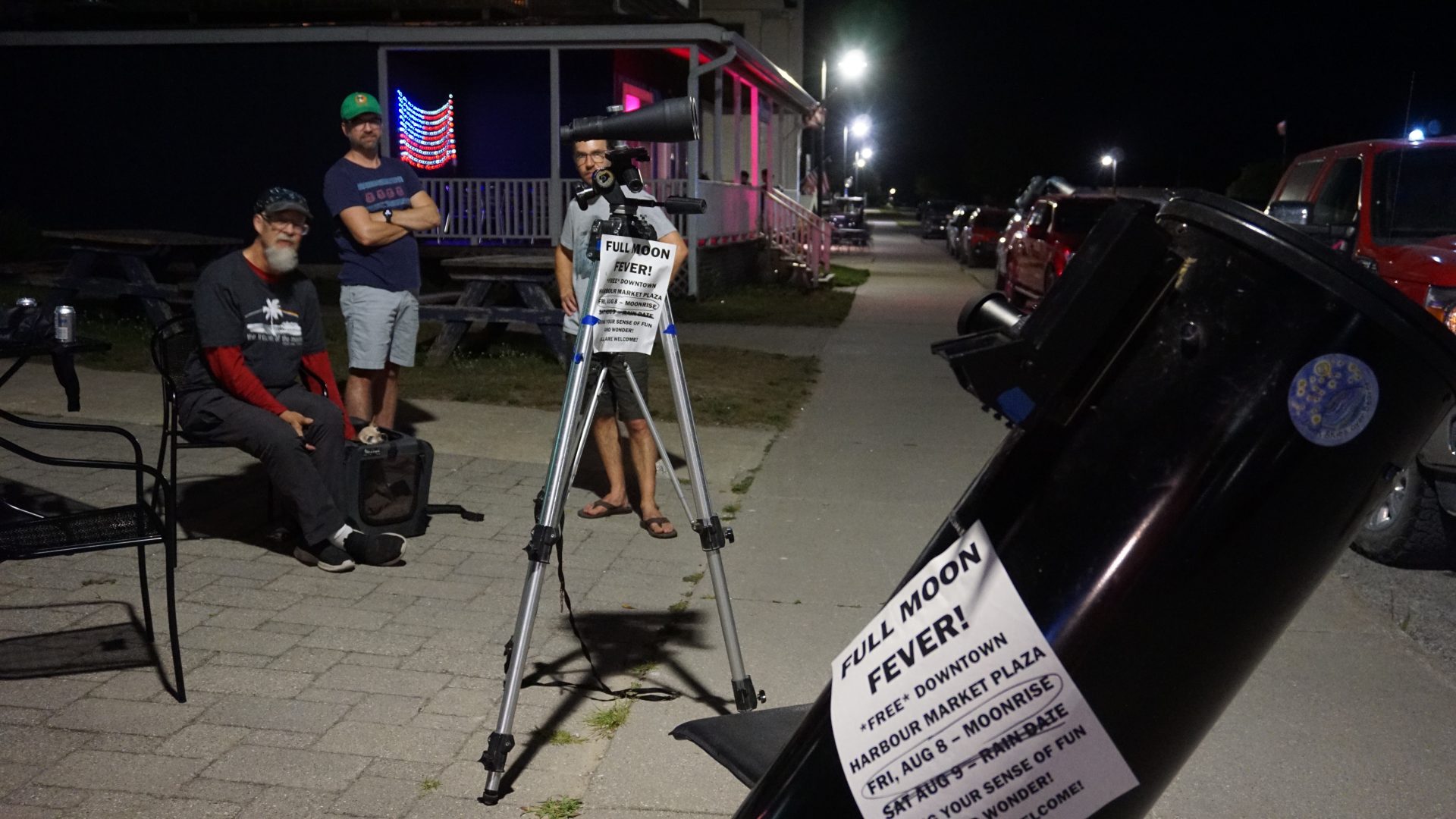
Full Moon Fever Event with Tony Miller and telescopes and passers-by. Photo Courtesy of Cynthia Hector Johnson
Support extended beyond the island. Letters of encouragement were provided by local and state officials as well as conservation organizations. Partners helped organize educational programs, provide meeting spaces, and share information about the importance of protecting natural darkness.
Both island townships incorporated dark sky language into official master plans and natural resource inventories, helping ensure that night sky protection became part of the island’s long term planning efforts.
Today, that commitment is visible in practical ways. The school and library have adopted dark sky friendly lighting practices, informational dark sky stations can be found at several locations, and public programs related to the night sky are regularly included in community calendars and shared through local media.
Addressing Early Questions and Concerns
As with many community initiatives, the dark sky effort prompted thoughtful questions from residents. Some wondered whether increased recognition might bring more visitors than the island’s sensitive ecosystem could support. Others were concerned about potential changes to outdoor lighting and whether safety or cost could become issues.
Through open discussion and education, many of these concerns were addressed. The sanctuary’s remote location, along with limited ferry and air access, naturally helps regulate visitor numbers. Advocates also demonstrated that responsible lighting could improve visibility, reduce glare, and enhance safety while still protecting the night sky.
These conversations helped build understanding and trust, ultimately strengthening community support for the project and its long-term goals.
Experiencing the Beaver Island Night Sky
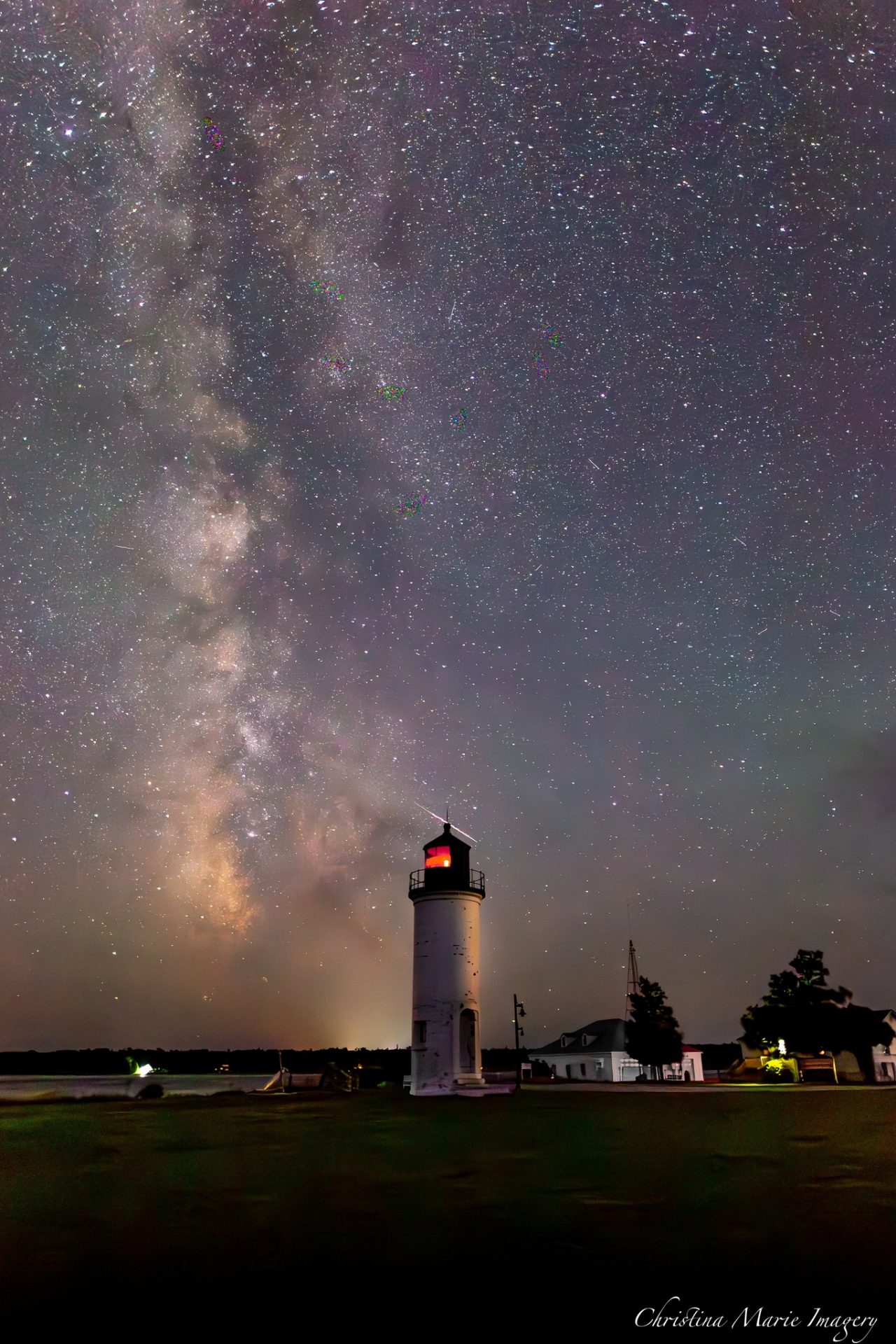
Milky Way with lighthouse. Photo Courtesy of Christina Cantu Sharp
For travelers who enjoy stargazing, Beaver Island is increasingly recognized as one of the best places in the Great Lakes region to experience a truly dark sky. With Lake Michigan stretching in every direction and very little artificial light nearby, clear nights can reveal thousands of stars and the bright glow of the Milky Way overhead.
It is the kind of place where visitors often find themselves lingering outside longer than planned, simply watching the sky.
Two years after Beaver Island earned its International Dark Sky Sanctuary designation, the night sky above Lake Michigan remains just as inspiring. The community effort that helped protect it continues to shape how residents and visitors experience the island after sunset.
The Beaver Island Sky
On a clear night, darkness settles slowly over Beaver Island after the last glow of sunset fades across Lake Michigan. Away from bright lights, the first stars begin to appear one by one. At first there are only a handful, then dozens, and before long the sky feels filled with points of light.
As your eyes adjust, the Milky Way becomes visible as a bright band stretching across the sky. Out over the lake, the horizon remains dark and quiet, making the stars appear even brighter. Familiar constellations gradually come into view, and with a little patience, a satellite may drift silently overhead or a meteor may briefly streak across the darkness.
Moments like this offer a glimpse of how the night sky once appeared across much of Northern Michigan. Protecting places like Beaver Island helps ensure that this experience remains possible for future generations.
Experiences like this are exactly what the International Dark Sky Sanctuary designation is meant to protect.
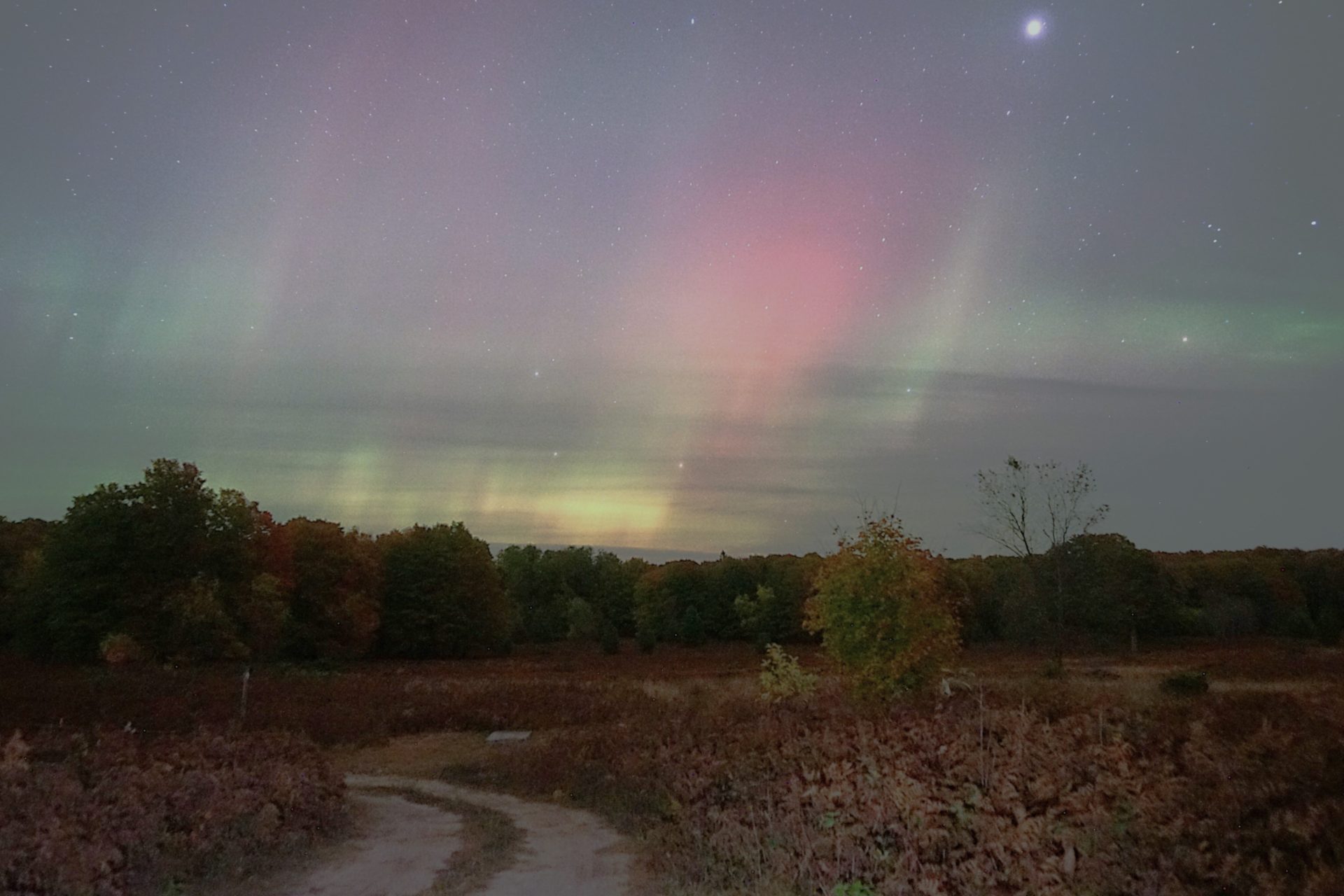
Aurora Borealis over the Sanctuary. Photo Courtesy of Cynthia Hector Johnson
Looking Up at Beaver Island’s Dark Sky Sanctuary
Today, Beaver Island continues to offer something that is becoming increasingly rare, a truly dark night sky.
Visitors who spend an evening on the island often describe a similar sense of quiet wonder. As darkness deepens and the stars multiply overhead, the sky gradually reveals layers of light that are no longer visible in many parts of the country.
The designation did not happen overnight. It reflects years of dedication from volunteers, local organizations, and community leaders who believed the island’s night skies were worth protecting. Their efforts helped preserve a natural experience that future generations will still be able to discover.
On every clear night, the sky over Beaver Island serves as a quiet reminder of what a committed community can accomplish.
Tips for Stargazing on Beaver Island
If you plan to visit Beaver Island to experience its Dark Sky Sanctuary, a little preparation can make the night even more memorable.
- Allow time for your eyes to adjust to the darkness. It usually takes about twenty minutes for your night vision to fully develop.
- Bring a red flashlight instead of a bright white light so you do not disrupt your ability to see the stars.
- Check the moon phase before your visit. The darkest skies typically occur near the new moon.
- Dress warmly, even in summer. Nights along Lake Michigan can cool quickly after sunset.
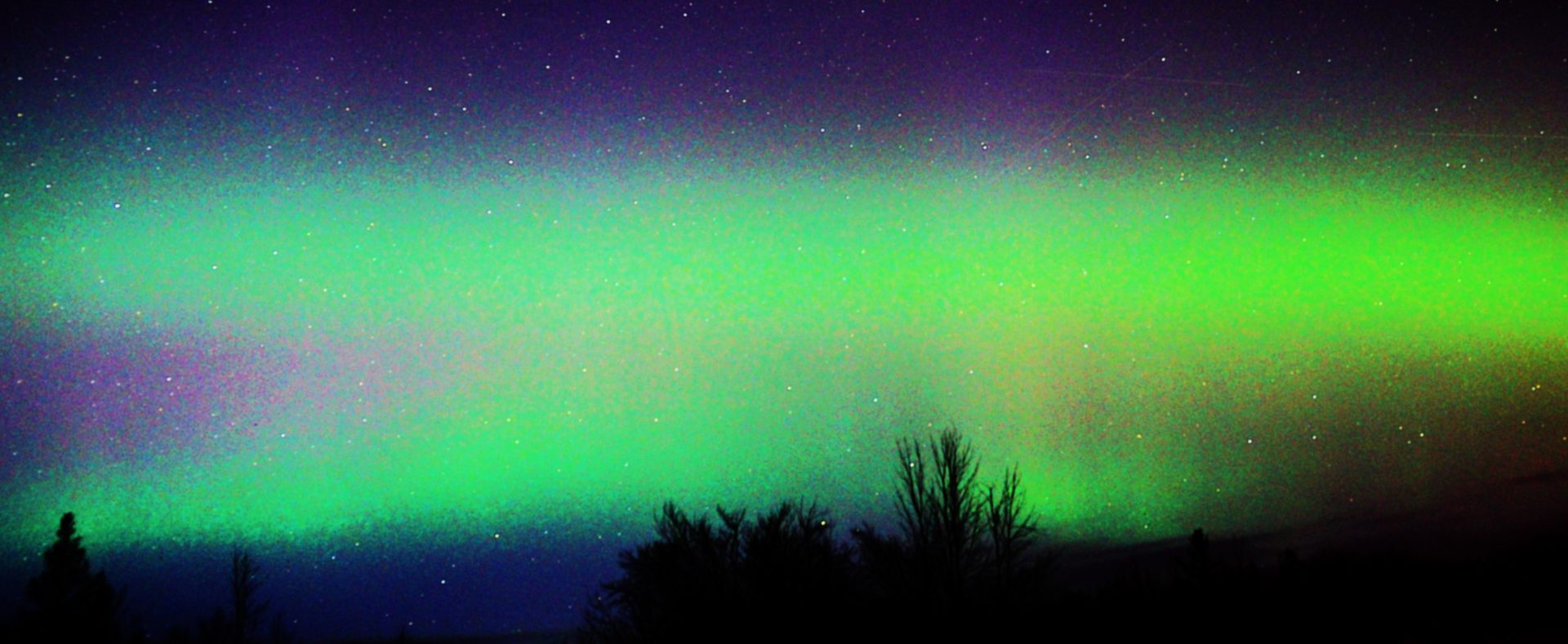
It is rare to catch Aurora over the Harbor Town view, which is slightly west. Photo Courtesy of Cynthia Hector Johnson.
On clear evenings, visitors often discover that simply stepping outside and looking up is enough to reveal thousands of stars and the faint glow of the Milky Way.
International Dark Sky Parks in Michigan
Michigan is home to several officially recognized International Dark Sky Parks that have made long term commitments to protecting natural darkness.
Headlands International Dark Sky Park
Located near Mackinaw City, this was Michigan’s first designated International Dark Sky Park. The park includes hundreds of acres of forest and undeveloped shoreline and is open to visitors at all hours.
Keweenaw Dark Sky Park
Situated at the northern tip of the Keweenaw Peninsula and surrounded by Lake Superior, this park offers exceptionally dark skies. The headquarters at Keweenaw Mountain Lodge provides year round public access.
Dr. T.K. Lawless Park
Located in southwest Michigan, this county park offers dark sky viewing opportunities along with year round access.
Michigan’s International Dark Sky Sanctuary
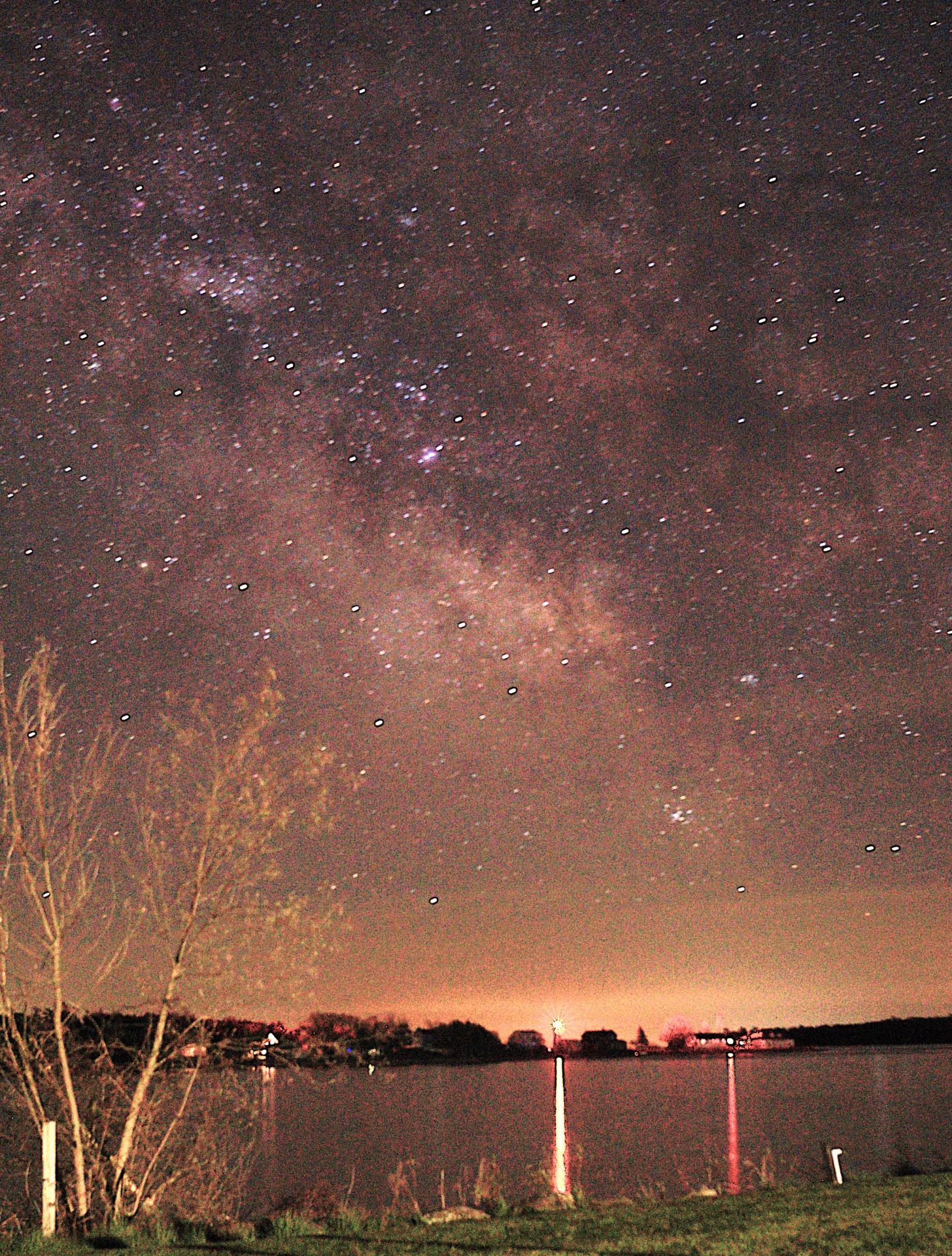
Milky Way over Downtown Paradise Bay Harbor. Photo Courtesy of Cynthia Hector Johnson
Michigan currently has one International Dark Sky Sanctuary, located on Beaver Island in northern Lake Michigan.
This rare designation recognizes the island’s exceptionally dark skies and the community’s long-term commitment to protecting natural darkness. The Beaver Island State Wildlife Research Area provides visitors with an opportunity to experience one of the darkest night skies in the Great Lakes region.
Additional Stargazing Opportunities in Michigan’s Upper Peninsula
Michigan Dark Sky Locations
Michigan is home to several protected areas where natural darkness is preserved and celebrated. From quiet Lake Michigan shorelines to remote forests along Lake Superior, these locations offer some of the best opportunities in the Midwest to experience a truly dark night sky.
Whether you hope to watch a meteor shower, photograph the Milky Way, or simply enjoy the peaceful beauty of a star filled sky, these destinations provide memorable stargazing experiences across the state.
Across Michigan, several parks and protected areas now work actively to preserve natural darkness
Michigan Dark Sky Preserves
Michigan is also home to several Dark Sky Preserves established through state legislation in 1994. These areas were created to protect natural nighttime environments and make Michigan one of the earliest states in the nation to formally recognize dark skies as a natural resource.
Unlike International Dark Sky Parks or Sanctuaries, these preserves are not certified through DarkSky International and are not monitored through the same global program standards. However, their legal designation remains significant and reflects Michigan’s early leadership in protecting natural darkness.
Lake Hudson Recreation Area
Michigan’s first dark sky preserve offers excellent night sky viewing near the park’s picnic shelter. The preserve is open year round and accessible at all hours.
Negwegon State Park
Located along Lake Huron near Harrisville, this rustic and largely undeveloped park features miles of trails, shoreline and a sandy beach that create impressive opportunities to experience natural darkness. A hike in or paddle in campground adds to the remote setting.
Port Crescent State Park
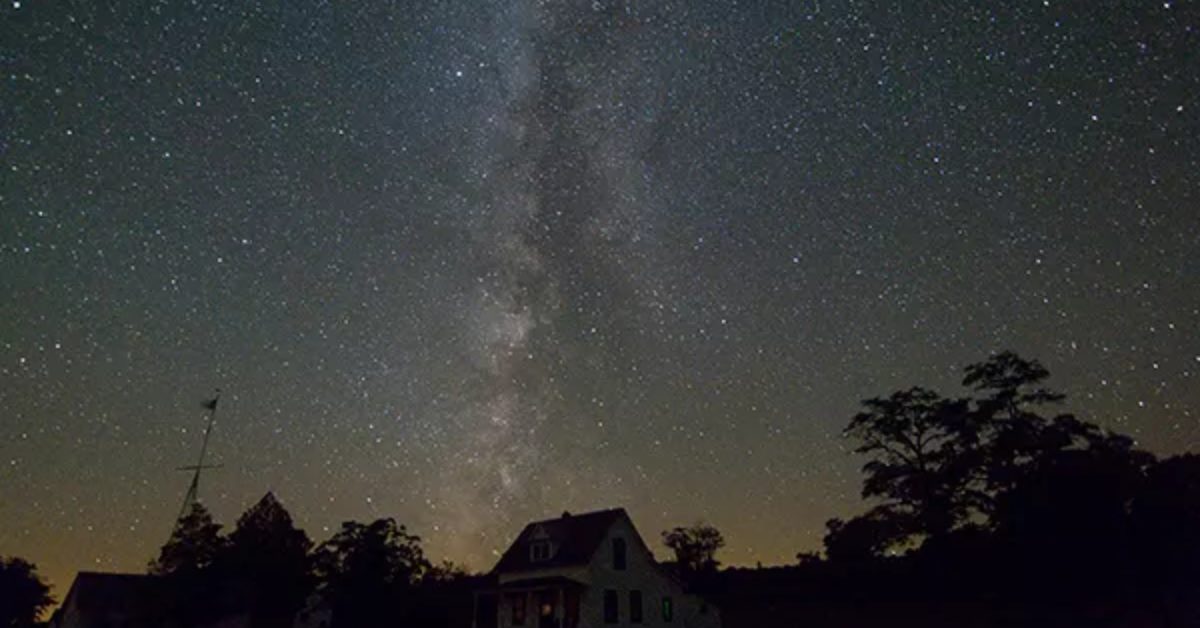
Milk Way over Sleeping Bear National Lakeshore. Photo Courtesy of National Park Service
Situated in Michigan’s Thumb region, this park offers exceptional stargazing conditions. A viewing platform near Parking Lot D provides one of the best locations for observing the night sky.
Rockport Recreation Area
Located along Lake Huron near Rogers City, this former limestone quarry features unique sinkholes and open shoreline that create ideal conditions for stargazing. Many visitors arrive early to explore the trails before settling along the beach at dusk.
Sleeping Bear Dunes National Lakeshore
Much of Sleeping Bear Dunes offers outstanding night sky viewing. Ranger led programs are offered throughout the season, and many trails lead to quiet overlooks with expansive views of Lake Michigan and the stars above.
Thompson Harbor State Park
This park protects miles trails and undeveloped Lake Huron shoreline near Rogers City. Its remote setting provides excellent conditions for experiencing natural darkness.
Wilderness State Park
Located near Mackinaw City, Wilderness State Park features extensive Lake Michigan shoreline and miles of trails that offer exceptional opportunities for stargazing.
The Upper Peninsula is one of the most reliable regions in the Midwest for stargazing. Vast forests, remote shorelines, and minimal development create ideal conditions for experiencing the night sky.
Pictured Rocks National Lakeshore
The dramatic Lake Superior shoreline and towering cliffs provide striking foregrounds for night sky viewing and photography.
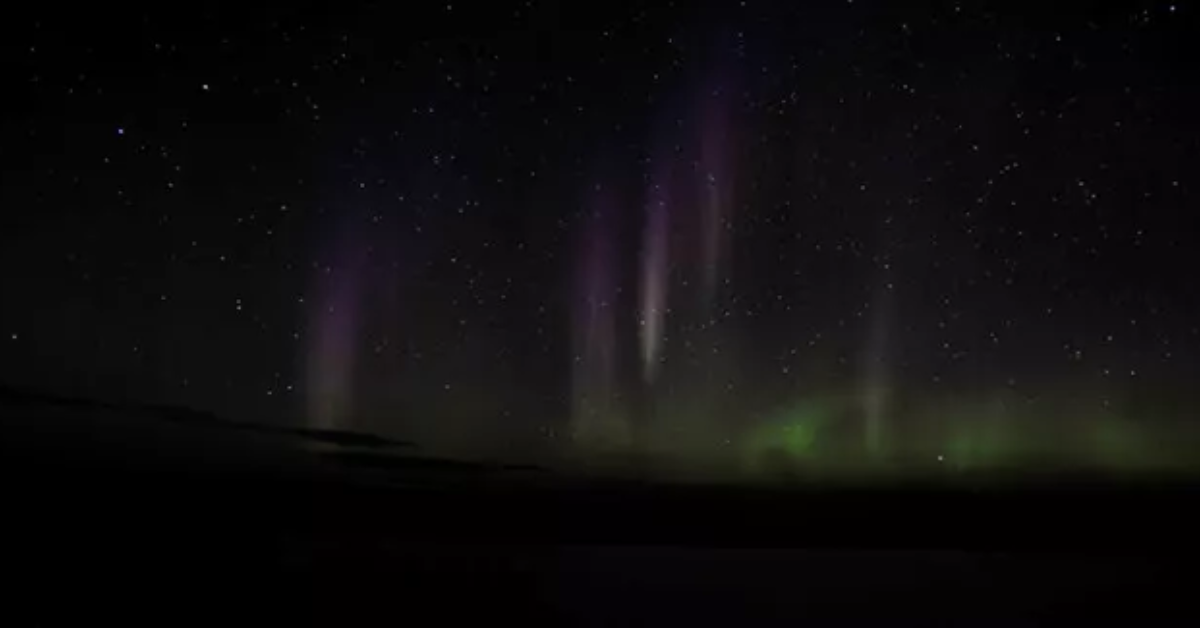
Aurora Borealis over Isle Royale National Park. Photo Courtesy of National Park Service/Paul Brown
Isle Royal National Park
One of the most remote national parks in the United States, Isle Royale offers exceptionally dark skies and remarkable opportunities for meteor watching.
Whitefish Point
Located near Paradise, this area is known for both bird migration and outstanding dark sky conditions. The nearby Great Lakes Shipwreck Museum adds historical interest to the experience.
Tahquamenon Falls State Park
Viewing the night sky near the park’s famous waterfalls creates a unique setting for stargazing and night photography. The park offers 35 miles of trails.
Dark Sky Night Cruises on the Great Lakes
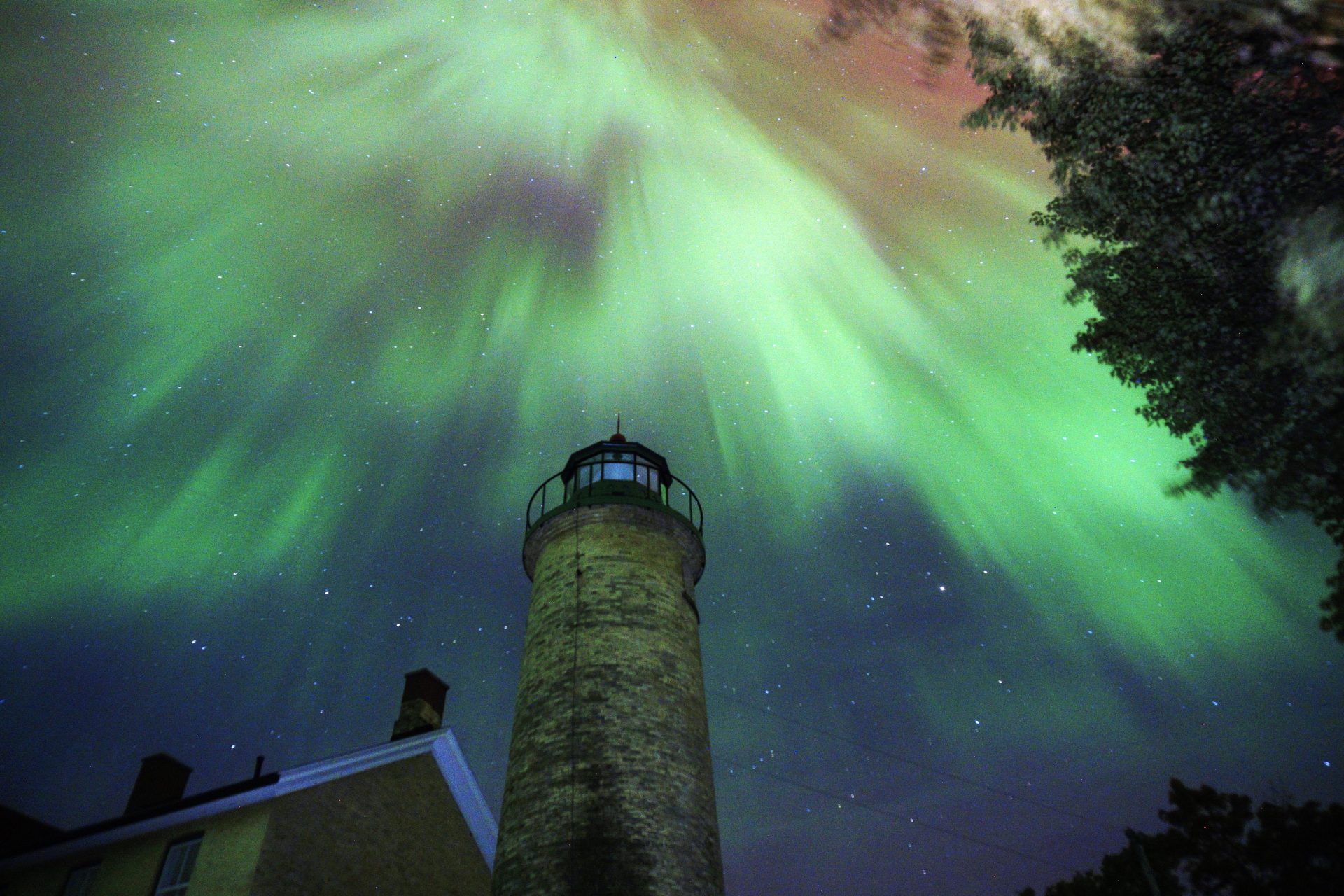
It’s rare to catch Aurora over the Southhead Lighthouse because there is not much of a north view there and Aurora appears only in the strongest solar storms. Photo Courtesy of Cynthia Hector Johnson
For a different perspective, several organizations offer night sky cruises that allow visitors to observe the stars from open water, far from shoreline lights.
Inland Seas Education Association
Occasional astronomy cruises depart from Suttons Bay aboard a traditional schooner style tall ship, providing guided opportunities to observe the night sky.
Sheplers Mackinac Island Ferry
Night sky cruises departing from Mackinaw City offer excellent viewing during events such as the Perseid Meteor Shower.
Planning Your Michigan Stargazing Experience
The Michigan Department of Natural Resources provides additional information about dark sky locations, meteor showers, Northern Lights viewing, and upcoming night sky events across the state.
Taking time to explore Michigan’s dark sky destinations offers an opportunity to experience one of nature’s most remarkable sights, a truly star-filled sky.
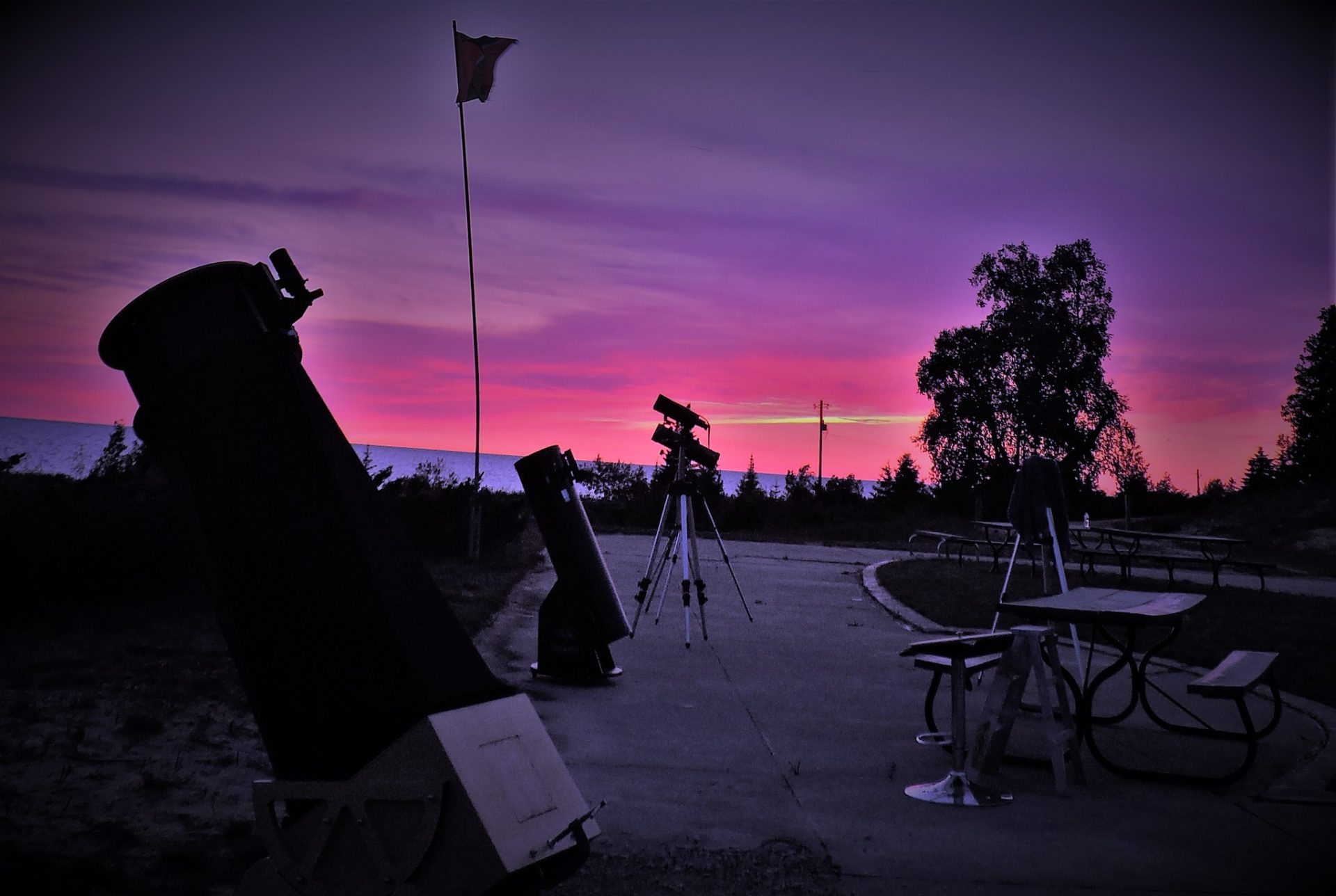
Telescopes at Dusk, ready for an event at Donegal Bay. Photo Courtesy of Cynthia Hector Johnson
Frequently Asked Questions About Beaver Island’s Dark Sky Sanctuary
Where can you go stargazing in Northern Michigan?
Northern Michigan offers several excellent locations for stargazing thanks to its large areas of forest, shoreline, and limited light pollution. Beaver Island is among the best places to experience exceptionally dark skies.
Is Beaver Island one of the best places to see stars in Michigan?
Yes. Beaver Island is widely considered one of the top stargazing destinations in Michigan due to its remote location and minimal artificial lighting.
Can you see the Milky Way on Beaver Island?
On clear nights, the Milky Way is often visible to the naked eye thanks to the island’s Dark Sky Sanctuary designation and naturally dark environment.
When is the best time to go stargazing on Beaver Island?
The darkest skies typically occur on clear nights near the new moon when moonlight does not interfere with star visibility.
Do you need special equipment to stargaze on Beaver Island?
No special equipment is required. Many visitors enjoy the night sky with the naked eye, although binoculars or a telescope can reveal additional detail.
What is an International Dark Sky Sanctuary?
An International Dark Sky Sanctuary is a protected area recognized for exceptionally dark skies and a long-term commitment to reducing light pollution.
